The Story Behind Cover Story - Todd Atticus on a Very Public Cover Design
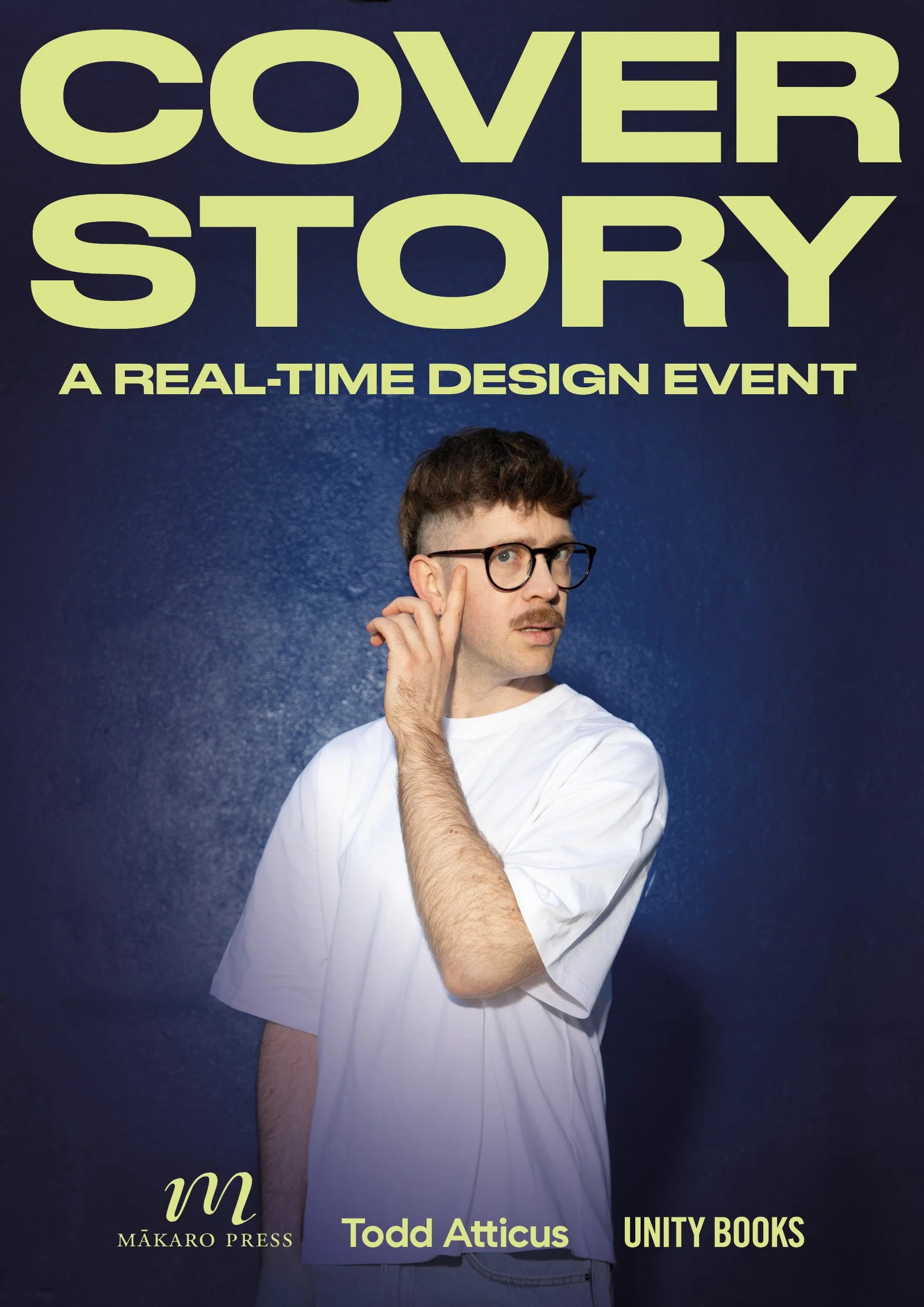
From April 28th to May 4th 2026 British cover designer Todd Atticus took creativity to a whole new level by designing a book cover completely from scratch in the front window of Unity Books in Wellington, New Zealand. Read on the find out more about this live, real-time design event (possibly the first ever one!).
Earlier this month I threw caution to the wind and did something which would strike fear into the heart of any self-respecting designer: I produced a book cover from scratch, entirely in public.
The setup was simple: a standing desk and a laptop, hooked-up to two large monitors; one facing into Unity Books, New Zealand’s largest indie bookshop, and the other facing directly out of the window towards the street, central Wellington’s busiest thoroughfare.
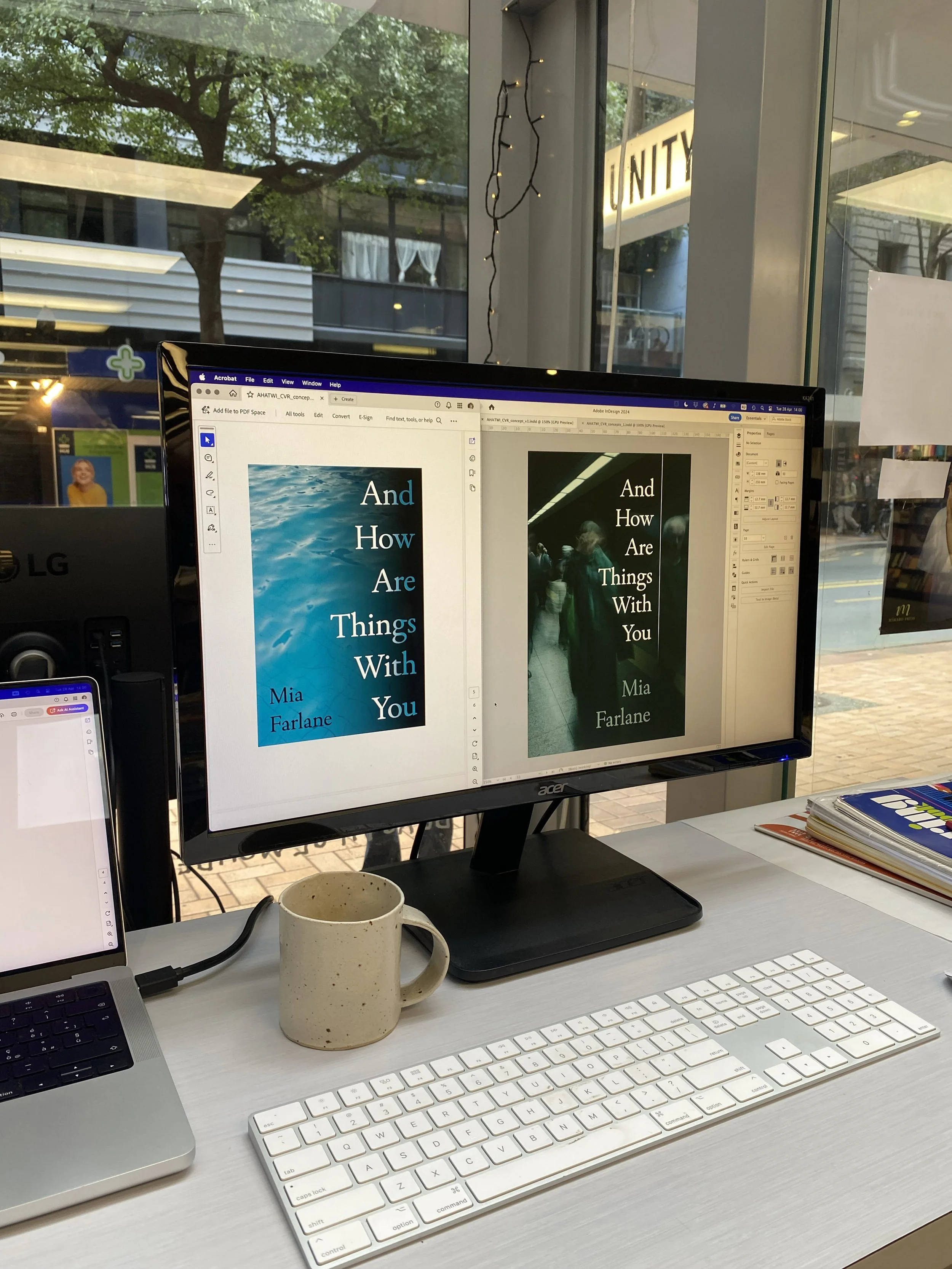
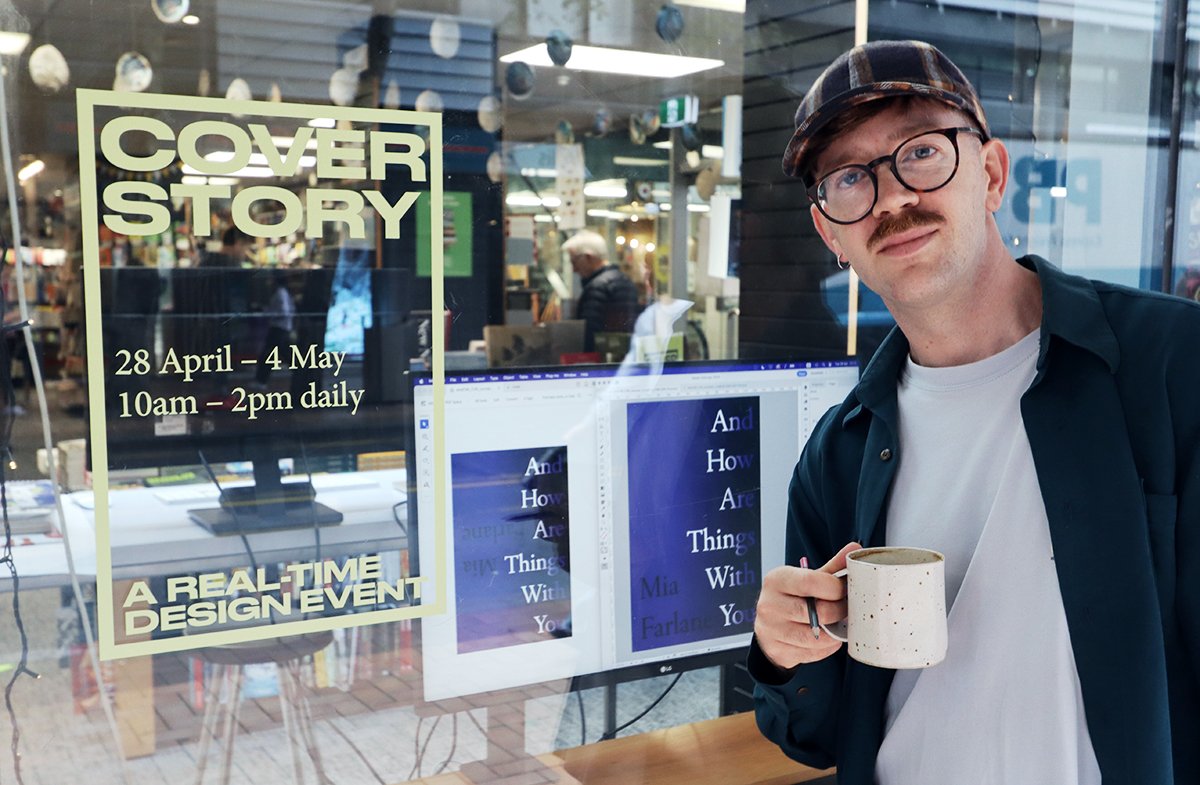
This wasn’t the first time I’d created artwork in public. Years ago when living in East London, I would accompany my two DJ flatmates to gigs in Shoreditch and Hackney and digitally collage live in the booth artworks and animations which would be shown on the large screens of the club. These days, if you know which coffee shops I frequent, you’ll usually be able to catch a glimpse of something I’m working on.
But this was certainly the first time I’d designed an entire cover in public. In fact, it might be the first book cover designed entirely in public, full-stop.
I’d toyed with this idea for years. I found the idea of designing a book cover this way deeply subversive; what if the often convoluted and secretive process could be played out publicly? What if readers got the chance to see cover concepts before the editor, publisher, sales and marketing, and the author?
It was important to me that this project involved designing an actual cover for an actual book that was slated for publication from an actual publishing house. A book that, in a few months’ time, would grace the very shop window space that I occupied to design it. This was not just a demonstration of a process—an elaborate dry run—but one with real stakes: the real book that would come out of it.
Cover Story, the name of the event, as well as being a snappy pun, acknowledges the twists and turns the design approach can take on the journey to a final book cover. I wanted the public to better understand the creative process that sits behind a book’s cover. It’s not one-and-done; designing a book cover is a story with many chapters.
Of course, before I could begin, I needed to find an enthusiastic publisher and author who would understand the risks (and rewards!) in relinquishing the usual oversight to this unique experiment. There would still be a brief, a cover meeting to discuss shortlisted designs and a final sign-off, but, in-between those steps, there needed to be a lot of trust. Mākaro Press, an award-winning NZ indie publisher, embraced the challenge and suggested their forthcoming title And How Are Things With You, a novel by Mia Farlane.
So I got to work.
On the one hand, this was just another week doing my job. All the techniques and practices that I deploy on covers were still in play. But there were some major differences. For one thing, over the seven days I was working in the window, I spent way more time talking than designing. Public performance also means interacting with the public and I was continually downing tools to chat to inquisitive members of the public about process and product. The other major difference was the speed at which I worked. Aware of onlookers in the street watching my screen, I tested and played with ideas more frenetically as a way of quickly demonstrating the range of compositional and conceptual options I was keen to explore.
As I produced covers, they were printed out and pinned-up in the shop. As the selection grew, people began to comment and identify their favourites. I’d prepared myself for this (few people can resist giving their opinion on design) but instead of consensus forming around a couple of designs as I’d expected, every single cover treatment was at least one person’s chosen favourite. I’ve always suspected that design is actually more objective than we admit: that a strong design holds its own and possesses a powerful gravitational pull (think the artwork to Chali xcx’s BRAT, something that appears so undeniable that it would surely stand out in a crowd of other, weaker, ideas). From my non-scientific sample, this didn’t appear to be the case.
In a way I found this realisation freeing. If any design could be somebody’s favourite, and no one design was clearly a ‘winner’, then I could legitimately lean more on my own preferences, something I always want to do but feel a little uneasy actually doing.
A beautiful byproduct of being so public and accessible was that it gave people an opportunity to discuss things candidly with me. Over the course of the week I had many life-affirming conversations about all manner of topics. I found myself giving drawing advice to a woman of eighty who had long given up trying despite it being the only thing she still wanted to achieve; and later offering suggestions to a migrant in his thirties on how to make friends and find community in a new country. Something about this event seemed to chime with people from many walks of life.
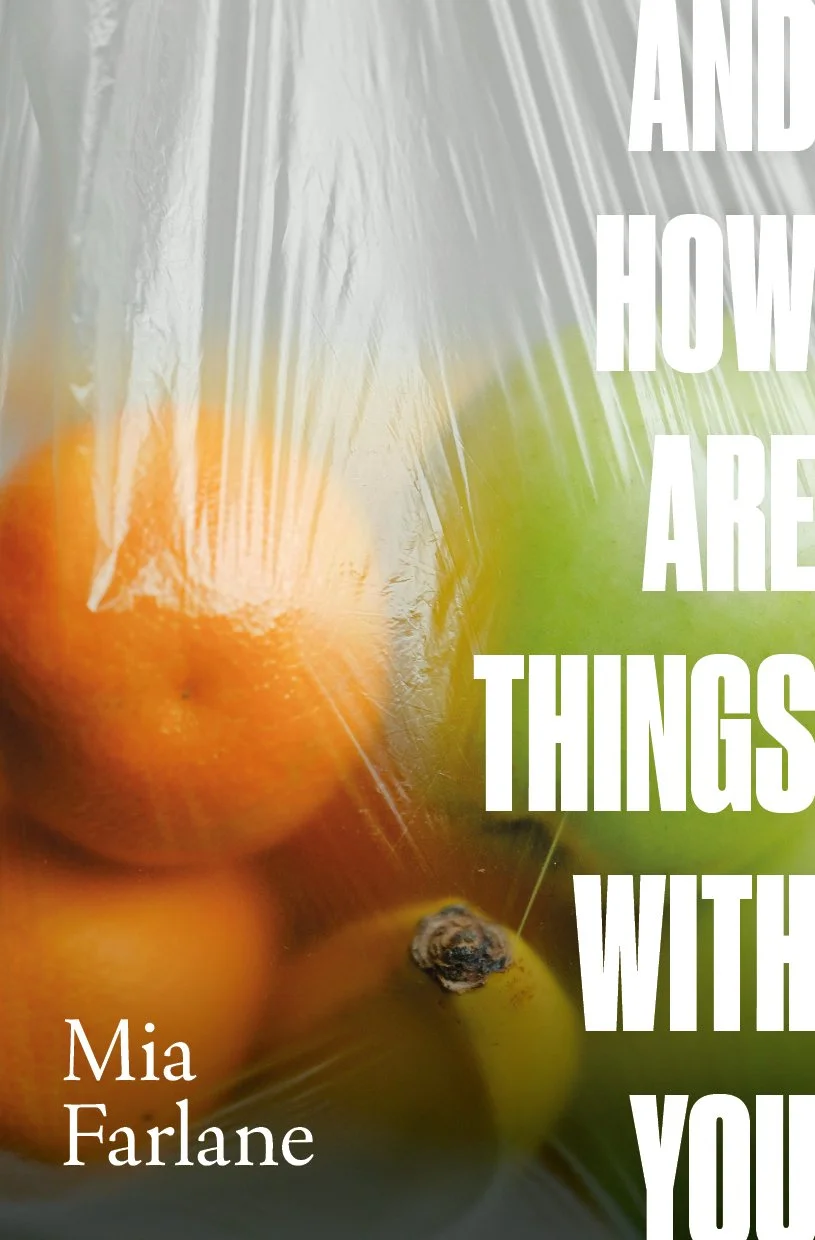
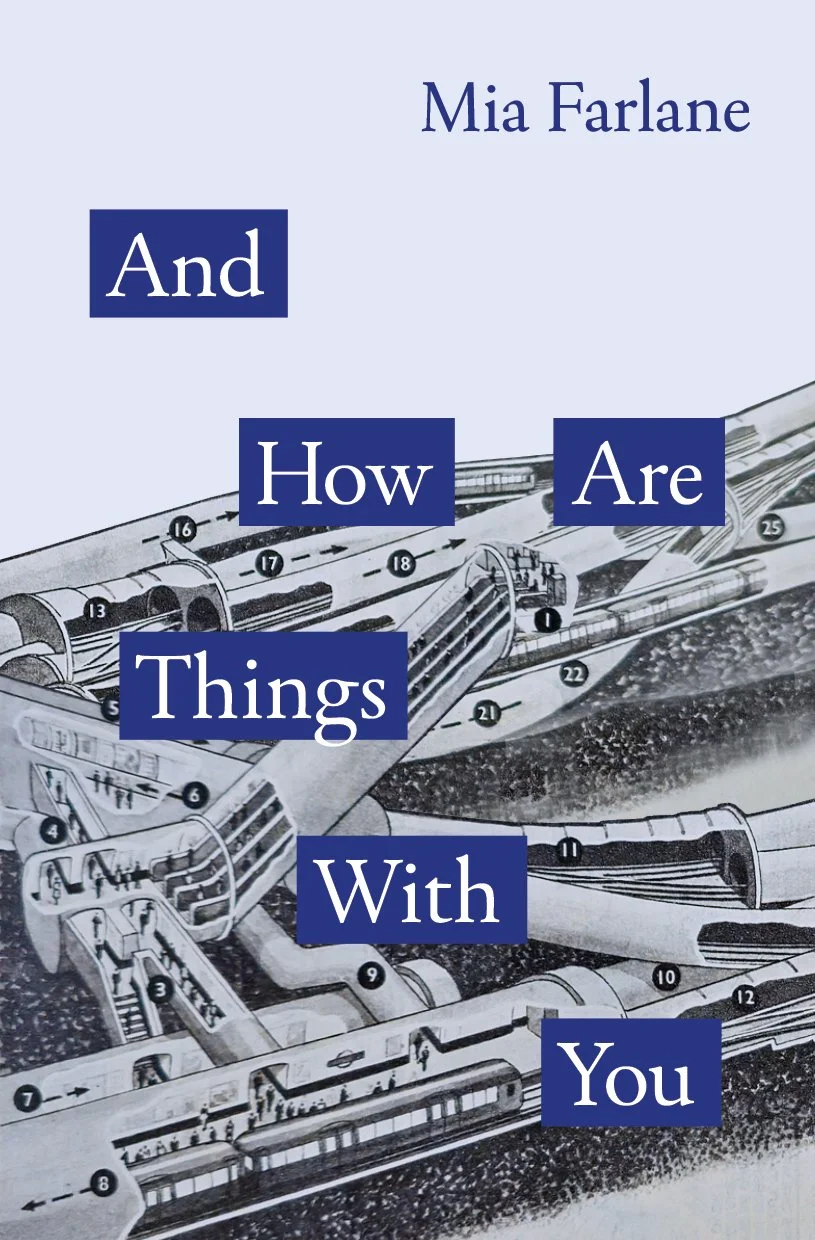
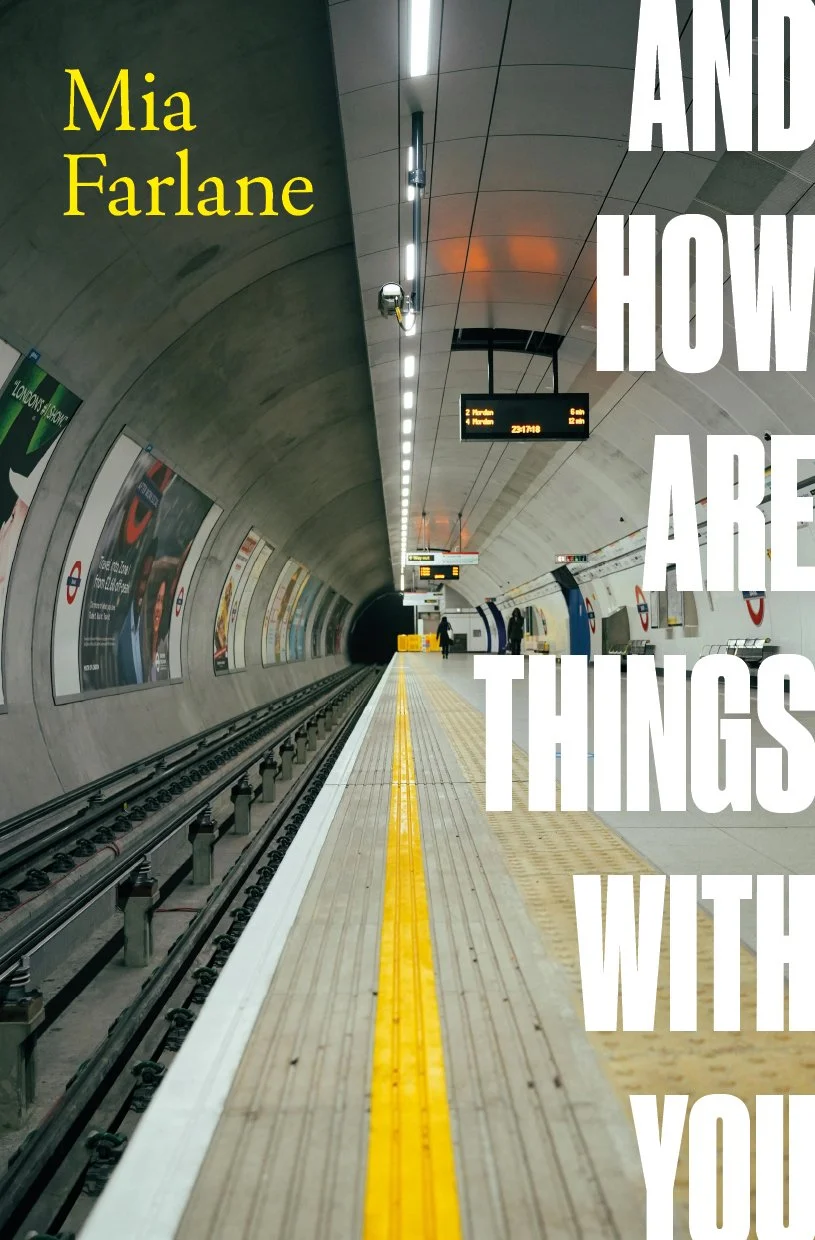
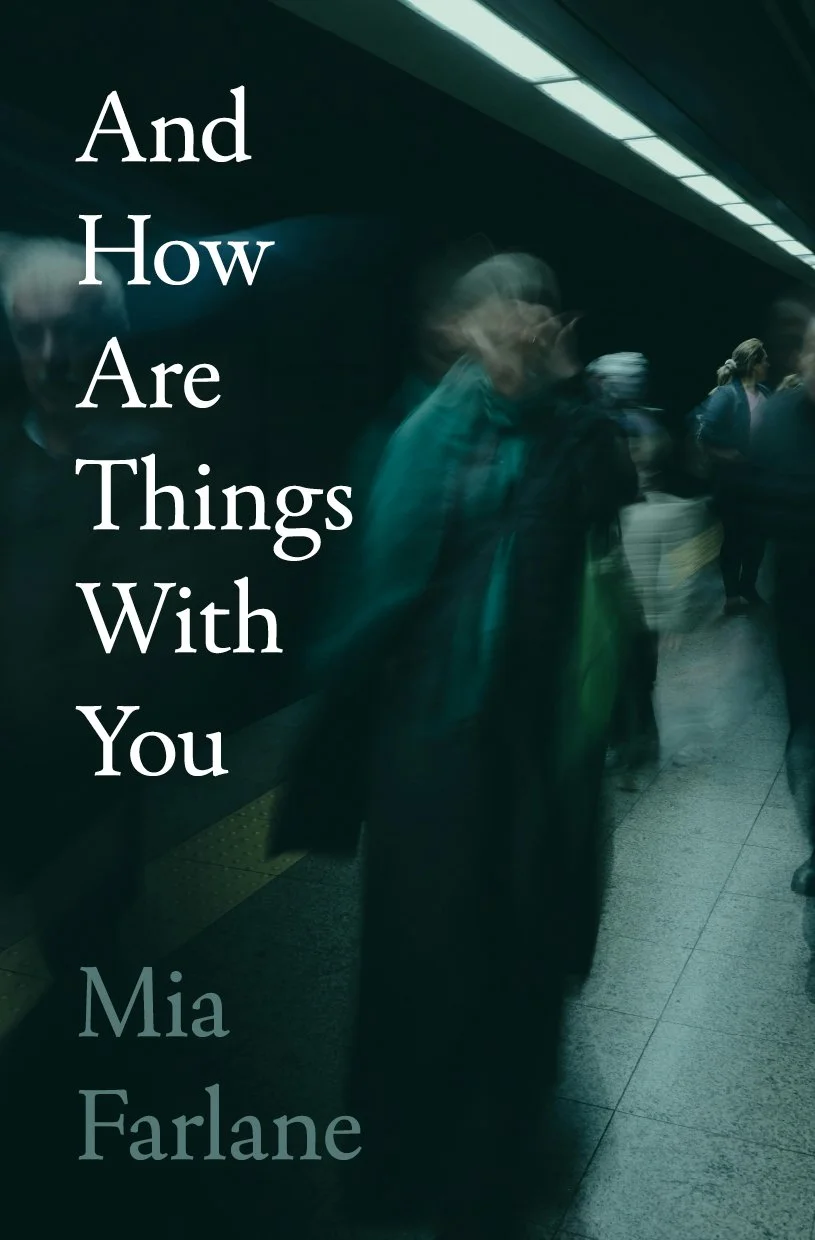
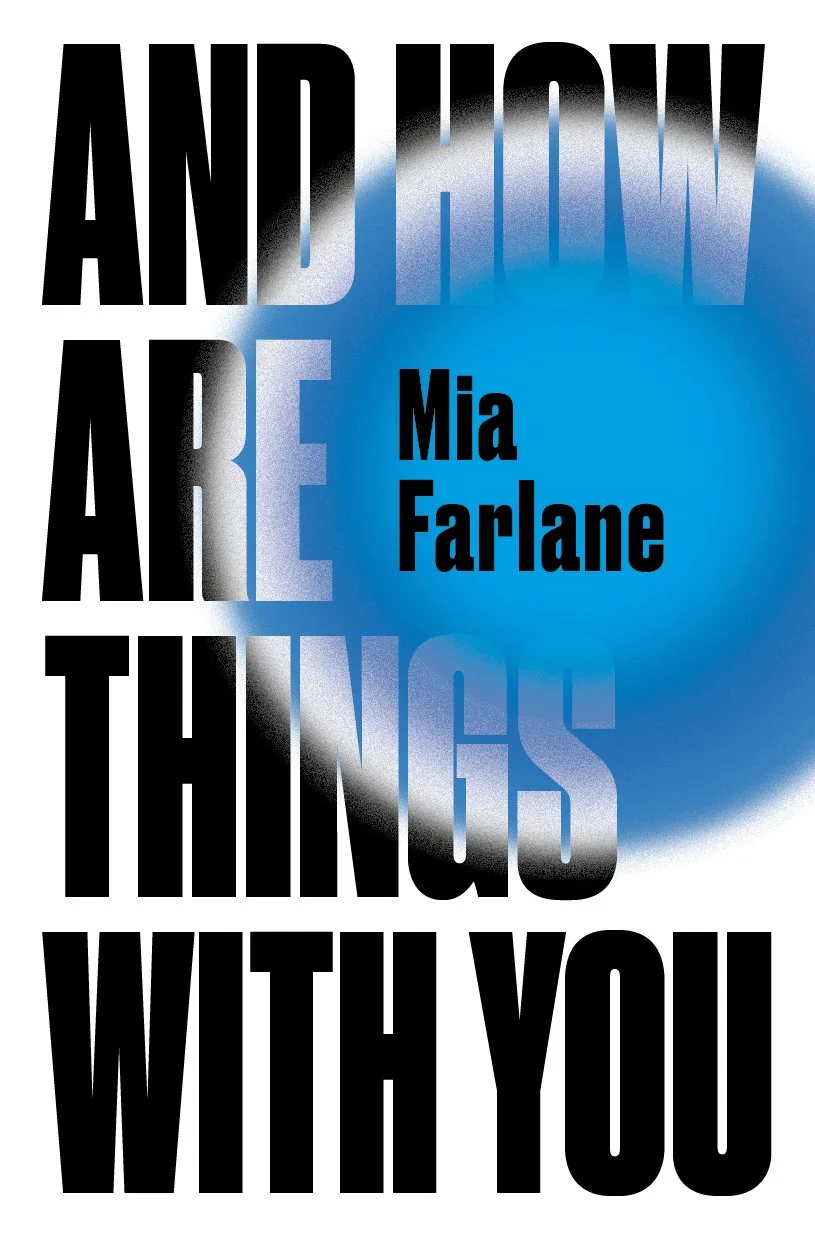
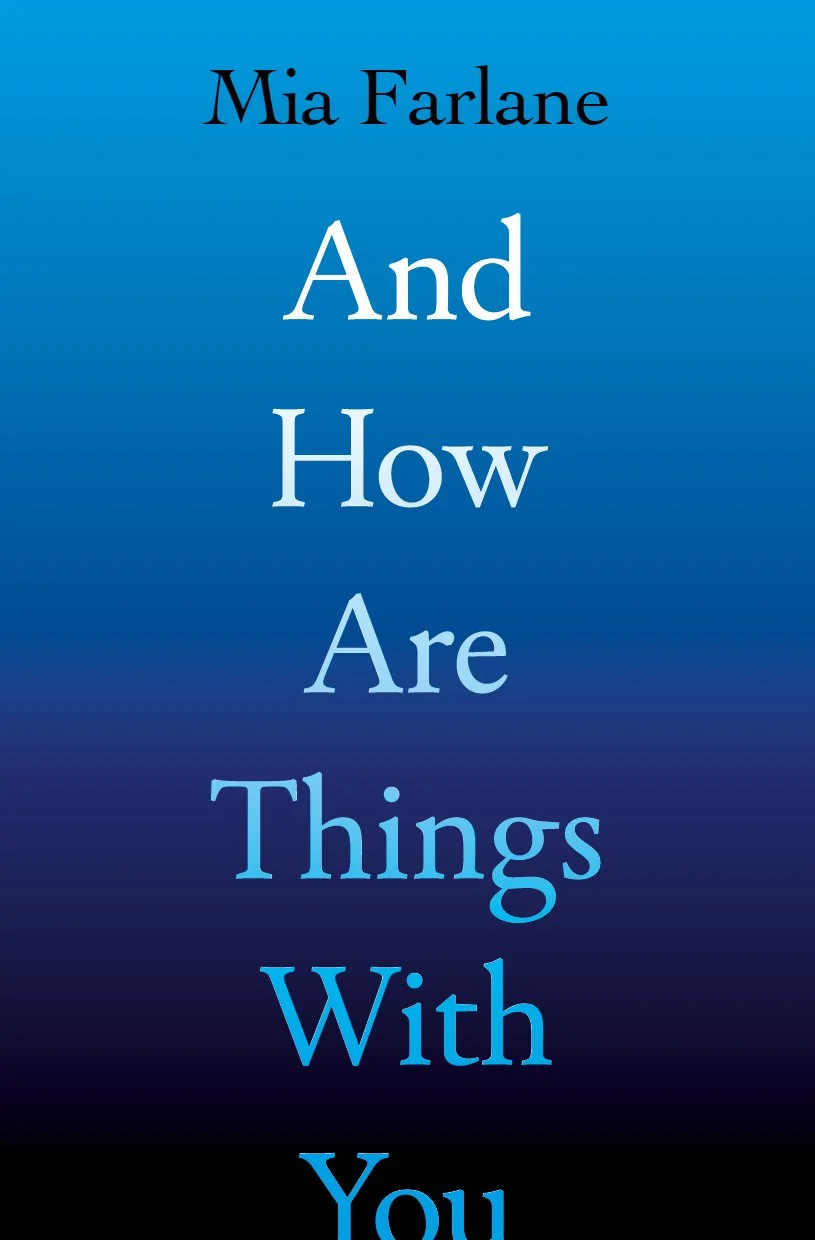
Creativity isn’t a tap that you can turn on or off. It was only on the sixth day that I hit upon a design which made me feel that I’d finally made something exciting. A few days before I had come to the realisation the impossibility of showing every stage of the creative process – that the downtime in my days was actually a powerful driver of ideas. At art school we referred to this as ‘blue-sky thinking’: the act of taking a break and going outside as a way of overcoming a creative block. In this case, it was walking the dog before heading in to the shop where I suddenly imagined new directions to try out.
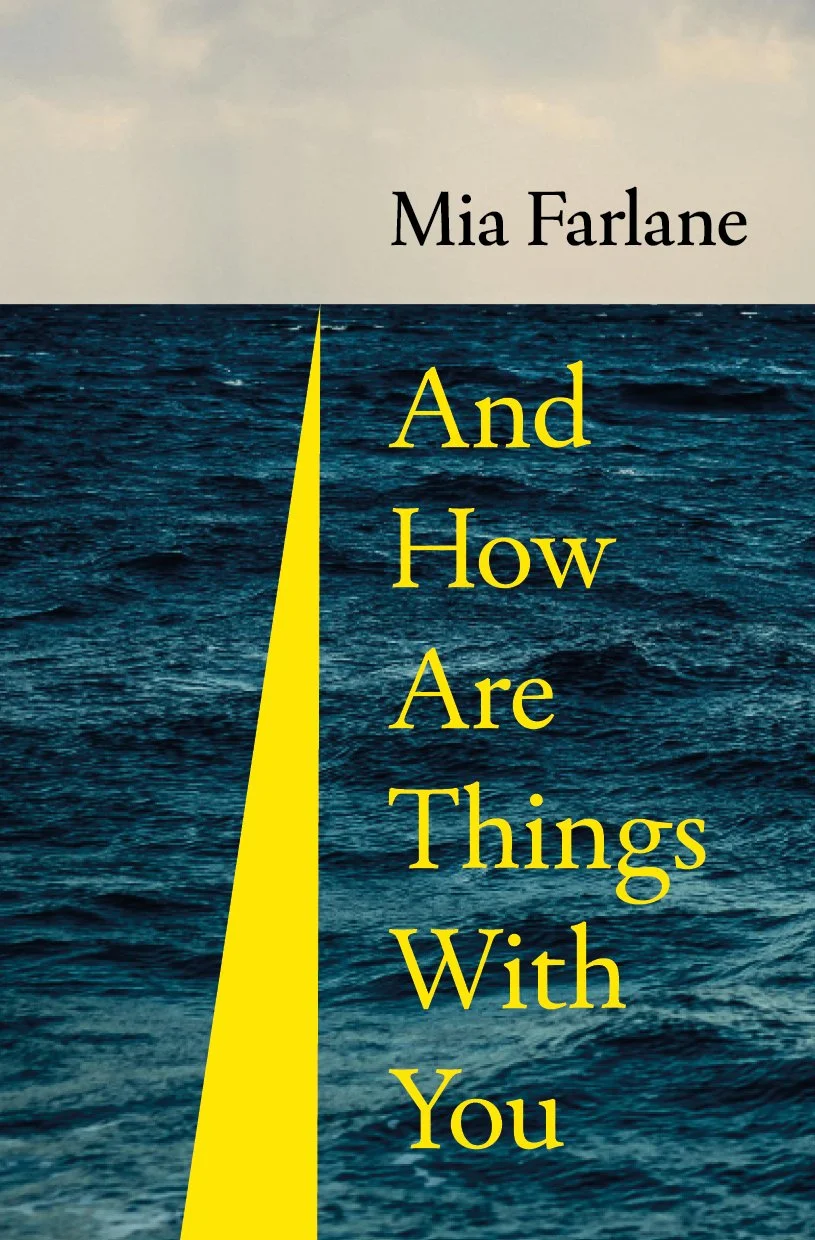
On the last afternoon of the project I decided to go for broke. Having landed a few designs I was confident met the brief, I wanted to approach the cover from a totally different angle. I usually save up at least one idea as insurance in case the momentum slows, or if I remain dissatisfied with what I’ve come up with. Exactly thirty minutes before the end of the event I was looking at a new treatment which I immediately wanted to become the cover (spoiler: it did).
Revealing the cover publicly was perhaps the most nerve-wracking moment of the whole week. After a meeting behind closed doors with the editor, publisher and author, the final design was printed large, mounted on an frame in the middle of the shop and hidden theatrically behind a black veil, awaiting the big reveal. At a special lunchtime panel event, a crowd of people gathered, keen to see the result of my week’s work. Happy as I had been about where the cover had landed, I’d never been in a situation before where the reception of a cover would be so live and unfiltered. It occurred to me that if people didn’t like what they saw they’d either have to lie or I’d be faced with the reality of their distaste.
Luckily, people applauded the reveal. Nonetheless, I made a mental note: public display always risks public humiliation. But of course, that dimension of risk is what makes performance art so exhilarating.
The final cover
A book cover is always, in a sense, public. It has to catch the public’s eye and leave an impression. But as that week taught me, there’s a different kind of magic—and exposure—that comes into play when the process of making, not to mention the maker, are also on display.
Todd Atticus is a British artist and book cover designer, currently living and working in Wellington, New Zealand.
Editor, artworker and lifelong bibliophile.